Blog
The 2026 Yozma Electric Dirt Bike Review

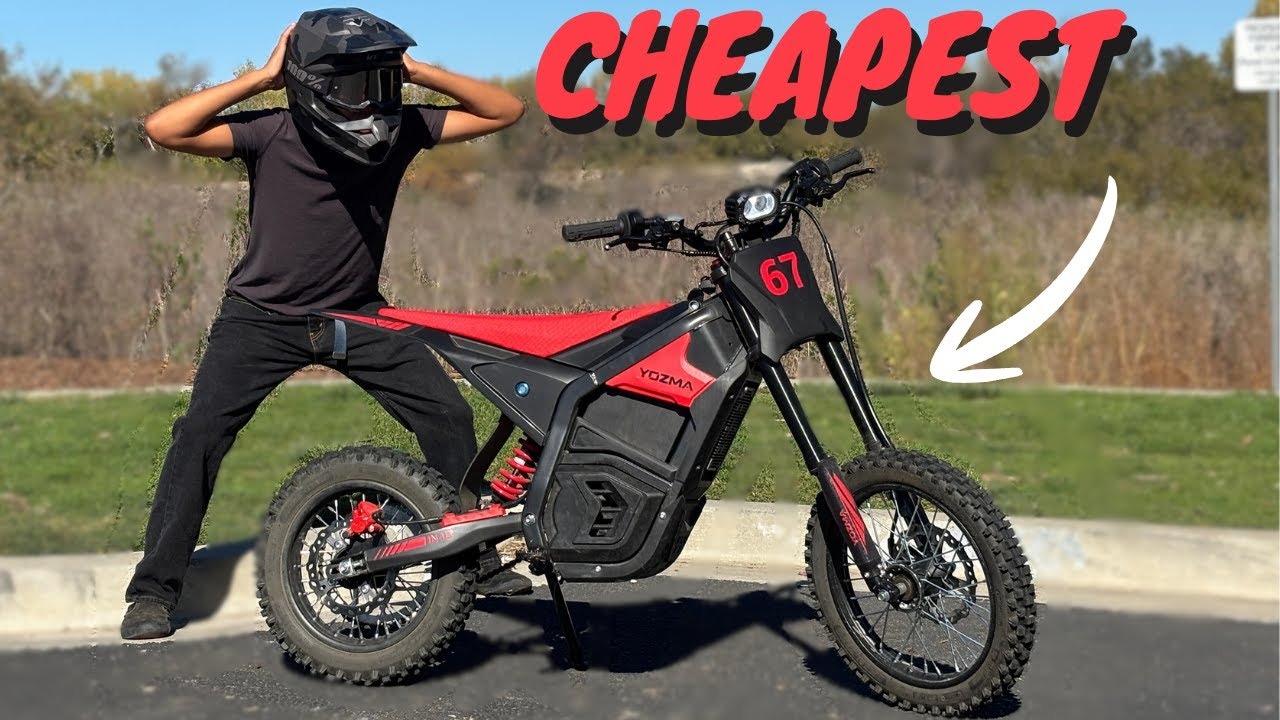
Yozma Electric Dirt Bike 2026 Review, You’re here because you’ve seen the eye-catching Yozma bike specs for 2026 and you’re past the marketing gloss. You want to know what it’s really like to ride one, how it stacks up against the competition, and if it can handle the trails you have in mind. As testers who ride these bikes to their limits, we’re here to translate those specs into real-world experience. This review cuts through the hype to answer your burning questions: How fast is a Yozma dirt bike on an actual trail? What’s the honest Yozma electric bike range? And crucially, in the great debates of Yozma vs. Sur-Ron or Yozma vs. Razor MX650, where does it stand? Let’s get into it.
Performance Decoded: Putting 2026 Specs to the Test
The spec sheet is a promise. Our test loop—a mix of hills, tight singletrack, and open fire roads—is where we see if Yozma delivers.
Speed, Torque, and Real-World Acceleration
The advertised Yozma top speed often lists a theoretical max (e.g., “40+ MPH”). On pavement, a lightweight rider might touch it. But for trail riders, the crucial metric is torque and acceleration out of corners. The 2026 mid-drive models excel here, offering a smooth, controllable power band that pulls hard from a stop. It’s less about the top number and more about how quickly and predictably you can get to your trail-riding speed. Compared to a hub-drive system, this is where you feel your money at work.
Battery, Range, and the “Range Anxiety” Factor
The Yozma electric bike range claim is, as always, a perfect-world scenario. Our standard test involves aggressive trail riding. For a bike with a 48V 20Ah battery, we consistently saw 22-28 miles of real-world range, not the 50+ cited. The Yozma mini dirt bike battery life for smaller models is proportionally less, around 1 to 1.5 hours of ride time. The good news? The new 2026 BMS (Battery Management System) is excellent. Power delivery stays strong until the last bar, eliminating the worrisome “sag” older bikes had. Yozma battery charging time for a full cycle remains 4-6 hours with the standard charger.
Handling & Suspension: Built for the Trail?
When asking if a Yozma electric bike is good for trails, the 2026 answer is a qualified “yes.” The new adjustable suspension is a game-changer for rough terrain, soaking up impacts that would have jarred you on older models. The geometry feels more stable at speed. However, for pure, technical single-track, the weight can still be a factor—these are powerful e-motos, not featherweight mountain bikes. For fire roads, flow trails, and general off-road exploring, they are more capable than ever.

The Head-to-Head: How Yozma Stacks Up in 2026
No review exists in a vacuum. You’re comparing, so let’s do it clearly.
Yozma vs. Sur-Ron: The Power vs. Ecosystem Battle
This is the most common comparison. In 2026, a top-tier Yozma matches or exceeds a base Sur-Ron Light Bee X on pure Yozma electric motorcycle features like power and component spec. The Yozma often offers more adjustability out of the box. Where Sur-Ron still leads is in its vast, established aftermarket and community for customization. If you want a powerful bike ready to rip off the showroom floor, Yozma is compelling. If you plan to heavily modify and tinker, the Sur-Ron’s ecosystem is a factor.
Yozma vs. Razor MX650: Different Leagues Entirely
This isn’t really a fair fight, which is why it’s important. The Razor MX650 is a fantastic, affordable toy for kids and light teens. A Yozma bike for adults is a performance vehicle. The Yozma has a proper suspension, hydraulic brakes, a gear drive (not a noisy chain drive), and 3-4x the power. Comparing their Yozma bike specs to Razor’s is like comparing a sports car to a go-kart. If you’re an adult or a serious teen rider, the Razor isn’t in the conversation.
Build, Brand, and Longevity: The Ownership Review
A fast bike that breaks in six months is a bad bike. We assess for the long term.
Is Yozma a Good Brand in 2026?
The 2026 models solidify Yozma’s position as a serious player, not a fly-by-night importer. The investment in better components (brakes, suspension) and improved manufacturing fit-and-finish shows a commitment to quality. Their standard 2-year frame warranty is competitive. The brand is maturing, focusing on refining a proven formula rather than just chasing bigger power numbers.
Durability, Weight, and Maintenance Realities
The Yozma bike weight limit is a critical spec. Adhering to it (typically 265-300 lbs for adult models) is key for frame and component longevity. These bikes are stout, often weighing 70-90 lbs. That heft contributes to stability but means it’s a handful if you run out of battery on a trail. Our Yozma maintenance guide advice remains consistent: it’s far less than a gas bike, but be vigilant. Check motor and axle bolts regularly, keep the chain/gearbox lubricated, and protect the electrical connections from mud and water. The lack of complex engine parts is a huge plus.
The Final Verdict: Who Should Buy a 2026 Yozma?
Not every bike is for every rider. Based on our testing, here’s the breakdown.
The Ideal Yozma Rider:
- The Trail Explorer: You want a powerful, fun machine for weekend adventures on forest service roads and moderate single-track.
- The Gas-to-Electric Convert: You want the instant torque and quiet operation of electric without feeling like you’ve downgraded in performance.
- The Tech-Appreciating Rider: You value the app-based tuning, adjustable power modes, and integrated features.
Think Twice If:
- You need a hyper-light bike for extreme technical mountain bike trails.
- Your primary goal is competitive motocross racing (though they’re fun for practice).
- You’re on a very tight budget and would be stretching for the entry fee plus essential safety gear.
The 2026 Takeaway: A Refined Trail Partner
The 2026 Yozma lineup represents a significant step in maturity. The brands have pivoted from simply offering “more power for less money” to offering better, more integrated power. The component upgrades are meaningful, the tech is useful, and the overall riding experience is more polished and confidence-inspiring.
For the rider seeking a capable, thrilling, and relatively low-maintenance entry into the world of serious electric off-road riding, the 2026 Yozma—particularly the mid-tier models—presents a compelling and well-rounded package. It successfully bridges the gap between toy and tool, offering legitimate motorcycle-like thrills in a more accessible and sustainable package.
Ready to dive into the specs and see the models for yourself? Compare all 2026 Yozma bike specs and talk to our riding experts at eBikePlugs.com.
Frequently Asked Questions (FAQ)
Q: How fast is a Yozma dirt bike really?
A: On pavement, a performance model can hit 35-42 MPH under ideal conditions. On trails, you’ll rarely (and shouldn’t) ride that fast. The usable speed is 15-30 MPH, where the bike’s torque and handling make it incredibly fun and capable.
Q: What’s the main difference between Yozma and Sur-Ron?
A: Think of it like cars. Yozma is like a well-equipped performance sedan from a mainstream brand—great power, good features, ready to go. Sur-Ron is like a tuner car—a massive aftermarket community exists to modify and upgrade every part. Both are fast; your choice depends on whether you want a complete package or a project platform.
Q: Can a Yozma handle a 200 lb adult on hills?
A: Absolutely. This is where they shine. The high torque output, especially on mid-drive models, pulls strongly up hills. Always check the specific Yozma bike weight limit for your model, but they are built for adult riders.
Q: Are Yozma bikes good for trail riding?
A: Yes, the 2026 models are the best yet for trails. The improved suspension and brakes make them competent on a wide variety of terrain. They are best suited for wider trails, fire roads, and open areas rather than extremely tight, technical mountain bike singletrack due to their weight.
Q: What is the most important maintenance task?
A: Bolt checks. After the first few rides, and then periodically, go over all critical bolts (axles, handlebar clamp, motor mounts, brake calipers) with a wrench to ensure they haven’t loosened from vibration. This simple task prevents most mechanical issues.