Blog
The Truth About Yozma Mini Dirt Bike Battery Life in 2026

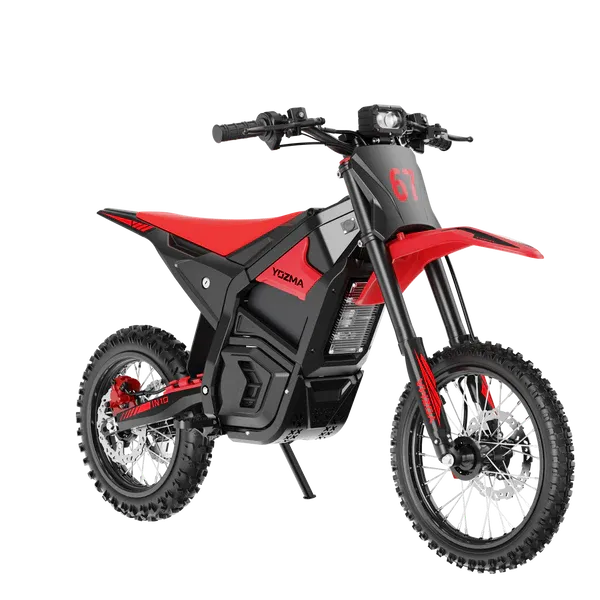
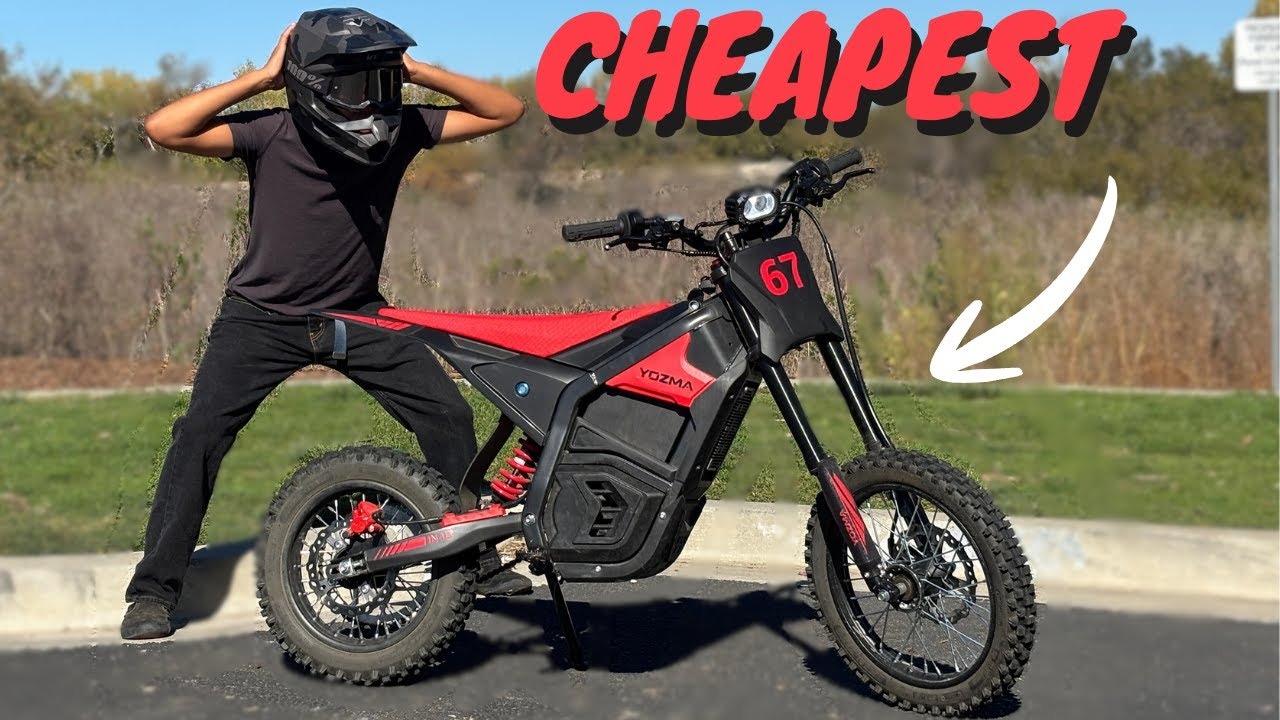
Yozma Mini Dirt Bike Battery Life 2026 claim of “1.5 hours” or “25 miles,” what does that actually mean for your ride? If you’re a parent watching your kid tear around the yard or a new rider planning your first trail oop, this isn’t just a spec—it’s the difference between a full afternoon of fun and a disappointing walk back home. Battery anxiety is real, even in 2026. But the good news is that battery technology and management have gotten smarter. This guide will replace guesswork with clarity. We’ll explain not just the numbers, but the real-world factors that chew through your charge, how to truly maximize your ride time, and what you can expect from the latest packs powering these mini beasts.
Beyond the Marketing: What “Battery Life” Really Means
The advertised figure is a best-case-scenario benchmark, achieved in a lab with a featherweight rider on flat, smooth terrain at a constant, moderate speed. Your backyard or local trail is not a lab. Let’s break down the two ways battery life is measured and what you can realistically expect.
Ride Time vs. Distance: The Two Metrics
Manufacturers use both:
- Ride Time (in hours): This is common for youth/mini models. A claim of “1.5-hour run time” assumes near-continuous riding at a moderate pace.
- Distance Range (in miles): More common for larger bikes. A “25-mile range” suggests distance on mixed terrain.
For a Yozma mini dirt bike, the ride time metric is often more useful. In real-world use, with stop-and-start riding, hills, and full-throttle bursts, you should expect 60-70% of the advertised time or range. So, that 1.5-hour bike becomes a solid 50-60 minutes of active, fun riding. That 25-mile range? A realistic 15-18 miles on a trail.
The 2026 Battery Tech: What’s Inside Matters
Not all batteries are created equal. The most important spec isn’t just the voltage (48V) and capacity (e.g., 10Ah), but the cell quality and certification. In 2026, insist on batteries with UL2271 or equivalent certification. This isn’t a feature; it’s a safety requirement that also indicates better-quality cells. These cells hold voltage more consistently under load, meaning power doesn’t “sag” as quickly, giving you more usable performance throughout the charge. A cheap, uncertified battery might claim the same “Ah” but will feel weaker faster and degrade much sooner.
The Real-World Drain: What Kills Your Battery Fast
Understanding what drains the battery is the first step to managing it. It’s not just about how long you ride, but how you ride.
The Big Three Energy Hogs:
- Throttle Use: This is the #1 factor. Constant full-throttle acceleration and high-speed cruising drain the battery exponentially faster than moderate, variable speeds. Think of it like a car’s gas mileage—highway speed kills efficiency.
- Terrain and Hills: Riding on loose sand, thick grass, or up hills forces the motor to work much harder, drawing more amps from the battery. A 20-minute ride on hilly terrain can drain as much as a 40-minute ride on flat pavement.
- Rider Weight and Load: This is simple physics. Exceeding the Yozma bike weight limit stresses the motor and battery. A bike ridden at its max load capacity will always have shorter battery life than one ridden by a lighter rider. Add a backpack? That’s more load.
Environmental & Maintenance Factors:
- Temperature: Lithium batteries hate the cold. A battery discharged in 40°F weather may only deliver 70-80% of its normal capacity. Store and charge your bike in a moderate-temperature place.
- Tire Pressure: Soft, under-inflated tires create more rolling resistance, making the motor work harder. A quick pressure check before you ride is a free way to gain extra minutes.
- Mechanical Drag: A dirty, dry chain or overtightened brake drag creates friction the motor must overcome, wasting precious battery power on resistance.
Maximizing Your Battery Lifespan: Care for the Long Haul
“Battery life” has two meanings: per-charge run time, and the overall lifespan of the battery over years. Proper care dramatically affects both.
Charging Habits for Long-Term Health
- The 80/20 Rule (When Possible): For maximum long-term lifespan, try to avoid regularly discharging to 0% or charging to 100%. Keeping the battery between 20% and 80% charge is ideal. If storing the bike for more than a month, store it with a 50-60% charge.
- Use the Right Charger: Always use the manufacturer-provided charger. A charger with the wrong voltage or amperage can damage the battery cells permanently.
- Mind the Temperature: Never charge a battery that is freezing cold or hot to the touch. Let it reach room temperature first.
Storage and Usage Best Practices
- Store Smart: Store the bike (or at least the removable battery) in a cool, dry place away from direct sunlight or freezing temps.
- Allow Cooldown: After a long, hard ride, let the battery cool down for 30-60 minutes before plugging it in to charge.
- Plan Your Rides: If you know your realistic Yozma electric bike range is 15 miles, don’t plan a 14-mile loop. Leave a buffer. Using a lower power/eco mode on the way out can conserve juice for the ride back.
Troubleshooting & When to Expect a Replacement
Even with perfect care, batteries are consumable components. Here’s what decline looks like and what to do.
Signs of a Battery Needing Replacement:
- Significant Range Drop: You’re only getting 50% of the original range with the same riding style.
- Voltage Sag Under Load: The bike feels strong at the start but loses power dramatically halfway through a ride, even though the battery meter might still show charge.
- Swelling or Physical Damage: Any bulge, crack, or leak is an immediate stop-use-and-replace signal.
The Replacement Process:
When it’s time, always purchase a certified replacement battery from an authorized dealer. At eBikePlugs, we ensure our batteries are the correct spec and come with a warranty. Swapping in a cheap, off-brand battery risks damaging the bike’s controller and is a potential fire hazard. The cost is an investment in another 2-3 years of reliable rides.
The Power to Plan Your Fun
Understanding Yozma mini dirt bike battery life is about empowerment, not limitation. By knowing the realistic expectations (about 60% of advertised specs), controlling the factors you can (throttle control, terrain choice, maintenance), and adopting smart charging habits, you take the anxiety out of the equation. The modern 2026 battery, when treated well, is a remarkably robust and capable power source. It allows you to plan your adventures confidently, ensuring the only thing running out is daylight, not power.
Stop guessing and start riding with confidence. Match your riding style to the right bike and battery with the data-driven experts at eBikePlugs.com.
Frequently Asked Questions (FAQ)
Q: What is the actual Yozma battery charging time from empty?
A: For a standard 48V/10Ah mini bike battery, expect a full charge from 0% to take 4 to 6 hours with the included charger. Using a “fast charger” (if available for your model) can cut this to 2-3 hours but may slightly reduce long-term battery lifespan if used exclusively.
Q: Can I buy a second battery to double my ride time?
A: Yes, if your model supports a swappable battery system. This is the best way to extend a riding session. Ensure the second battery is the exact same voltage and amp-hour rating and is from a reputable source. Some higher-end 2026 models are beginning to offer this as an upgrade option.
Q: How long should the entire battery last before needing replacement?
A: A quality, UL-certified battery, with proper care, should deliver 500-800 full charge cycles before significant degradation. For a typical rider, this translates to 2-4 years of regular use before you notice a major drop in per-charge range.
Q: Does the “battery life” get worse in cold weather?
A: Yes, temporarily. Lithium-ion chemistry is less efficient in the cold. You may see a 20-30% reduction in per-charge range when riding in temperatures below 50°F (10°C). The capacity will return when the battery warms up. Never charge a cold battery.
Q: What’s the #1 mistake people make that ruins battery life?
A: Consistently draining it to 0% and leaving it dead. This is called a deep discharge and is extremely stressful on lithium cells. If you run out of juice on a ride, make charging it (at least to 50%) a top priority when you get home. Letting it sit dead for weeks can permanently kill the battery.