
Blog
The Yozma Off-Road Electric Bike: 2026 Trail Capability Unpacked

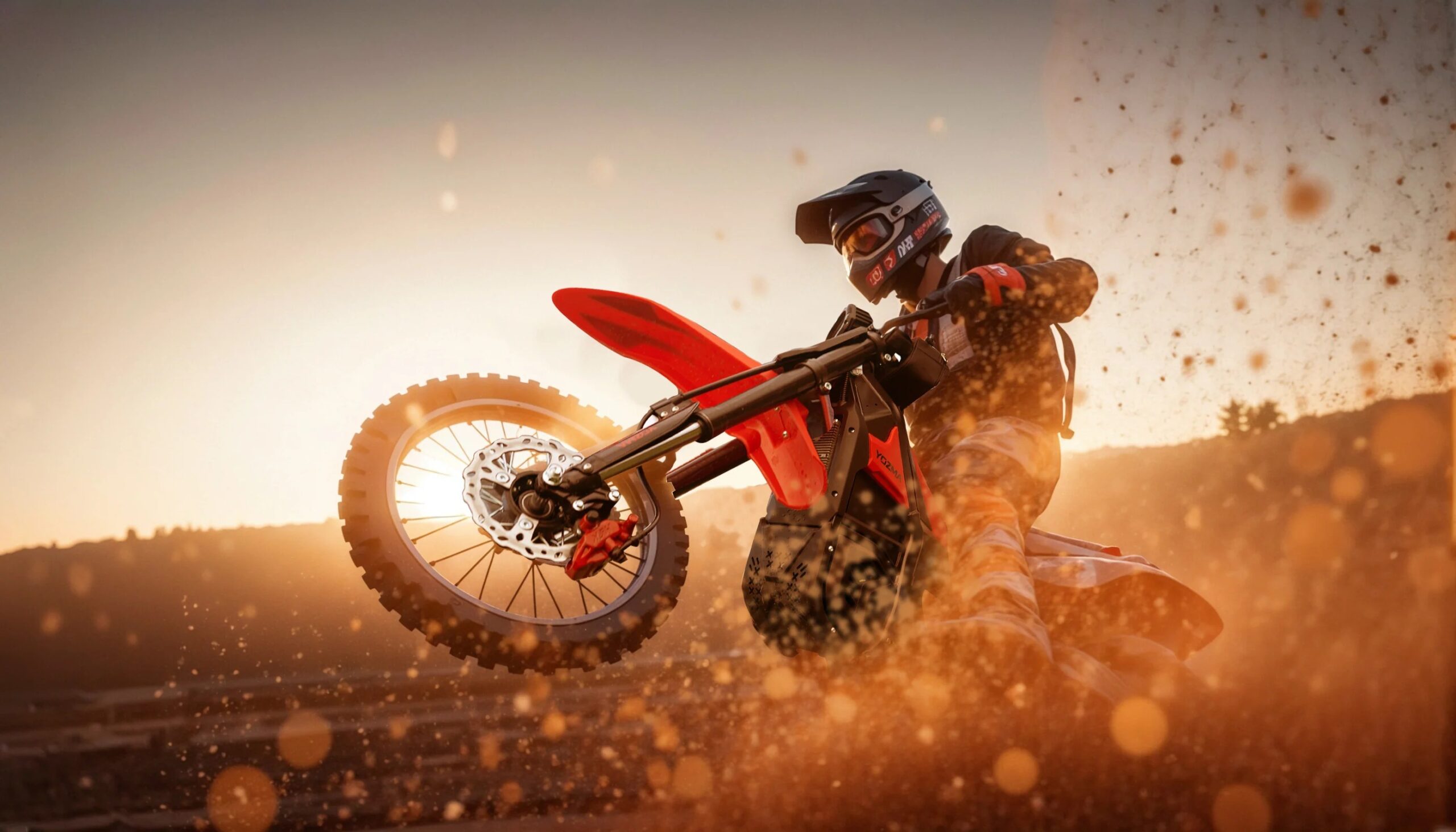
Yozma off-road electric bike into a search bar, you’re not looking for a commuter with knobby tires. You’re scouting for a legitimate trail weapon—a machine built to handle dirt, gravel, mud, and hills with authority. But in a market crowded with promises, how do you separate Yozma’s genuine off-road chops from marketing hype? As testers who put these bikes through root-strewn singletrack, loose hill climbs, and rock gardens, we’re here to give you the unvarnished truth. This is about what it actually takes to perform off-road, and where Yozma’s 2026 lineup lands in the hierarchy of dirt-ready electric machines.
The Anatomy of a True Off-Road Machine: Where Yozma Stands
Off-road capability is engineered, not advertised. It’s a combination of geometry, component selection, and power delivery that creates confidence when the pavement ends.
Frame Geometry & The “Planted” Feeling
A true off-road bike needs a frame that balances agility and stability. In 2026, Yozma’s performance frames show clear evolution. The head tube angles have slackened slightly compared to their older, more urban models. This means the front wheel is pushed further out in front, which increases stability at speed and improves control on steep descents—a critical trait when navigating unpredictable terrain. The wheelbase is also generous, fighting the urge to “twitch” over rough ground. When you combine this with a low center of gravity (often aided by a low-mounted battery), you get a bike that feels planted and deliberate on the trail, not sketchy and nervous.
Suspension & Tires: The Contact Point Revolution
This is where Yozma has made its most significant off-road investments for 2026.
- Suspension: The days of basic, pogo-stick forks are over for their off-road models. We’re now seeing adjustable hydraulic front suspension with actual damping control, and on flagship models, full rear suspension setups. This isn’t just for comfort; it’s for keeping the wheels in contact with the ground for traction and control. A bike that skips over bumps is a bike that’s not in command.
- Tires: Yozma has moved from generic knobbies to legitimate off-road tires from brands like CST or Vee Rubber. Look for aggressive, open tread patterns, self-cleaning channels, and durable, puncture-resistant casings. The right tire is the single cheapest performance upgrade, and Yozma is finally installing them from the factory. Many 2026 models also feature a wider rear tire (e.g., 4.5″ front / 5″ rear) for improved drive traction.

Powertrain Performance: Conquering the Climb
Off-road is about torque, tractability, and thermal management. Straight-line speed is irrelevant when you’re picking a line up a rocky incline.
Torque vs. Top Speed: The Off-Road Priority
Forget the headline top speed. The essential spec for an off-road electric bike is torque (measured in Newton-meters or Nm). This is the rotational force that gets you moving from a standstill and powers you up obstacles. Yozma’s mid-tier and performance models now emphasize high torque figures (100+ Nm), which translates to immediate, controllable power at the rear wheel. This allows you to modulate your speed with the throttle over technical sections rather than relying on momentum. The power delivery in 2026 is also notably smoother, thanks to refined motor controllers, preventing the wheel from breaking loose unexpectedly on loose surfaces.
Battery Endurance for the Backcountry
Off-road riding is a battery killer. Constant elevation changes, low-speed technical maneuvering, and aggressive acceleration drain power fast. While Yozma advertises generous ranges, our off-road testing reveals a more practical number: expect 40-50% of the claimed “max range” when riding aggressively on trails. A 48V 20Ah battery might give you 18-25 miles of genuine off-road exploration. The key advancement is in battery management; the power output remains consistent until near depletion, so you’re not left crawling home with a dead bike on a distant trail.
The Off-Road Model Breakdown: Which Yozma for Your Terrain?
Not every Yozma is built for the same dirt. Their 2026 lineup segments clearly for different types of off-road use.
The Trail Explorer / Hybrid Models
These are hardtail (front suspension only) bikes with capable geometry and moderate power (e.g., 1500-2000W). They are perfect for graded dirt paths, fire roads, and light singletrack. Think of them as rugged adventure bikes. They prioritize comfort and range over extreme technical capability. This is an excellent category for the rider who wants to leave the pavement for forest service roads and campsite exploration without tackling black-diamond MTB trails.
The Dedicated Off-Road / “Dirt Bike” Models
This is where Yozma gets serious. These models feature the slack geometry, robust dual suspension (or high-end adjustable front forks), high-torque motors (2000W+), and aggressive tires. They are built for technical trails, hill climbs, and more challenging off-road conditions. They often have higher ground clearance, more protective bodywork, and components built to handle impacts. This is the category for the rider who sees a dirt bike trail and thinks, “Let’s go.”
The “Crossover” Conundrum
Some Yozma models sit in a middle ground, with moto-style looks but not the full suspension travel of a dedicated dirt machine. It’s crucial to match the bike’s actual specs—especially suspension type and travel—to the roughness of the terrain you plan to ride. A bike with a short-travel rigid rear end will be punishing on true mountain bike trails.
The Ownership Reality: Durability & Trailside Repairs
An off-road bike must be tough and serviceable. Breaking down miles from the trailhead is a different experience than a roadside flat.
Build Quality & Stress Points
Off-road riding subjects a bike to sustained vibration and sharp impacts. On 2026 models, we inspect key areas: the welds at the head tube and swingarm pivot points, the solidity of the wheel spokes, and the waterproofing of electrical connectors. The overall build quality has improved, but it’s still wise to perform regular “bolt checks” on critical components like the axle nuts, handlebar clamp, and motor mounts after rough rides.
Maintenance Mindset for the Dirt Rider
Owning an off-road electric bike shifts your maintenance focus:
- Cleanliness is Key: Always rinse mud and grit from the drivetrain, suspension seals, and brakes after a dirty ride.
- Drivetrain Vigilance: Chains and sprockets wear faster off-road. Keep them clean and properly lubricated.
- Brake Care: Hydraulic brakes are essential, but off-road grit can contaminate pads and rotors. Learn the feel of your brakes; a spongy lever or squeal often means it’s time for new pads or a bleed.
- Carry a Trail Kit: A multi-tool, a spare tube (and the knowledge to change it), a small pump, and a master link for your chain are minimums for any ride away from help.
The Verdict: A Legitimate Contender for the Dirt
The 2026 Yozma off-road lineup demonstrates a brand maturing into its off-road ambitions. By focusing on critical areas like suspension performance, tire selection, and torque delivery, they have moved from making electric bikes that can go off-road to building electric bikes designed for it. For the rider seeking a potent, relatively low-maintenance gateway to motorized trail exploration—from forest service roads to legitimate OHV trails—Yozma now offers compelling and capable options. They may not yet unseat the dedicated, ultra-high-end electric mountain bikes or motocross machines, but they have firmly carved out a space as powerful, fun, and accessible tools for dirt-focused adventure.
Ready to match a Yozma’s off-road capability to your local terrain? Explore the specs and talk to our riding experts at eBikePlugs.com.
Frequently Asked Questions (FAQ)
Q: Can a Yozma electric bike handle real mountain bike trails?
A: It depends on the model and the trail. Their dedicated off-road models with full suspension can handle moderate singletrack, flow trails, and OHV trails. However, for extremely technical, rocky, or tight natural mountain bike trails, the weight and geometry of a Yozma can be a disadvantage compared to a purpose-built, lightweight e-MTB. Always respect trail designations—many non-motorized MTB trails do not allow throttle-equipped bikes.
Q: What’s the biggest advantage of a Yozma over a traditional gas dirt bike for off-road?
A: Instant torque, low noise, and minimal maintenance. The electric motor delivers peak torque immediately, making technical climbing easier. The near-silent operation is less intrusive in nature and often more land-access friendly. The lack of an engine, oil, and complex transmission means far less routine maintenance.
Q: How does the off-road range compare to street riding?
A: It is significantly less. Off-road riding is constantly taxing the motor with hills, obstacles, and low-traction surfaces. You can expect your range to be roughly halved compared to smooth pavement riding at a constant speed. Always plan your off-road rides with a substantial battery buffer.
Q: Are Yozma bikes waterproof enough for creek crossings and mud?
A: They are water-resistant, not waterproof. Most critical connectors are sealed, and the motor is typically internally sealed. You can confidently ride in wet conditions, through puddles, and light rain. However, submerging the bike (especially the battery and controller) in deep water is not advised and will likely cause catastrophic damage. After a wet/muddy ride, a gentle rinse is recommended.
Q: What should I upgrade first on a Yozma for serious off-road use?
A: 1. Tires. Ensure you have the right tread for your local soil (hard-pack vs. soft/mud). 2. Hand Protection. Upgrade to handguards/bark busters to protect your levers and hands from branches. 3. Lighting. If you ride near dusk, a powerful aftermarket LED light is essential. Focus on protective and traction-based upgrades before chasing more power.


