
Blog
Ebikes In Oregon: Where You Can Ride Or Buy An Electric Bike
Bought an e-bike and not sure where you can legally ride it? Oregon treats Class 1, 2, and 3 e-bikes as bicycles, so you need no license, plates, or insurance. The catch is that the rules shift with your age, your bike’s class, and where you ride. Sidewalks are off limits statewide, Bend’s forest singletrack allows only Class 1, and the minimum age for Class 1 is being lowered. Here is what applies today and what changes next.
Key Takeaways
- Oregon’s three-class system took effect January 1, 2025. A bike that fits Class 1, 2, or 3 is legally a bicycle.
- Legal e-bikes need no driver license, registration, title, or insurance.
- Every class currently requires riders to be at least 16. HB 4007 lowers the Class 1 minimum to 14, with no minimum for riders in an approved safety program.
- Riders and passengers under 16 must wear a helmet, and parents can be cited for allowing a child to ride without one.
- E-bikes are banned from sidewalks everywhere in Oregon.
- E-bikes may use state park trails open to bicycles and most wet-sand beaches, unless posted.
- Near Bend, only unmodified Class 1 bikes may use about 161 miles of approved Forest Service trails, closed December 1 through March 31.
Table of Contents
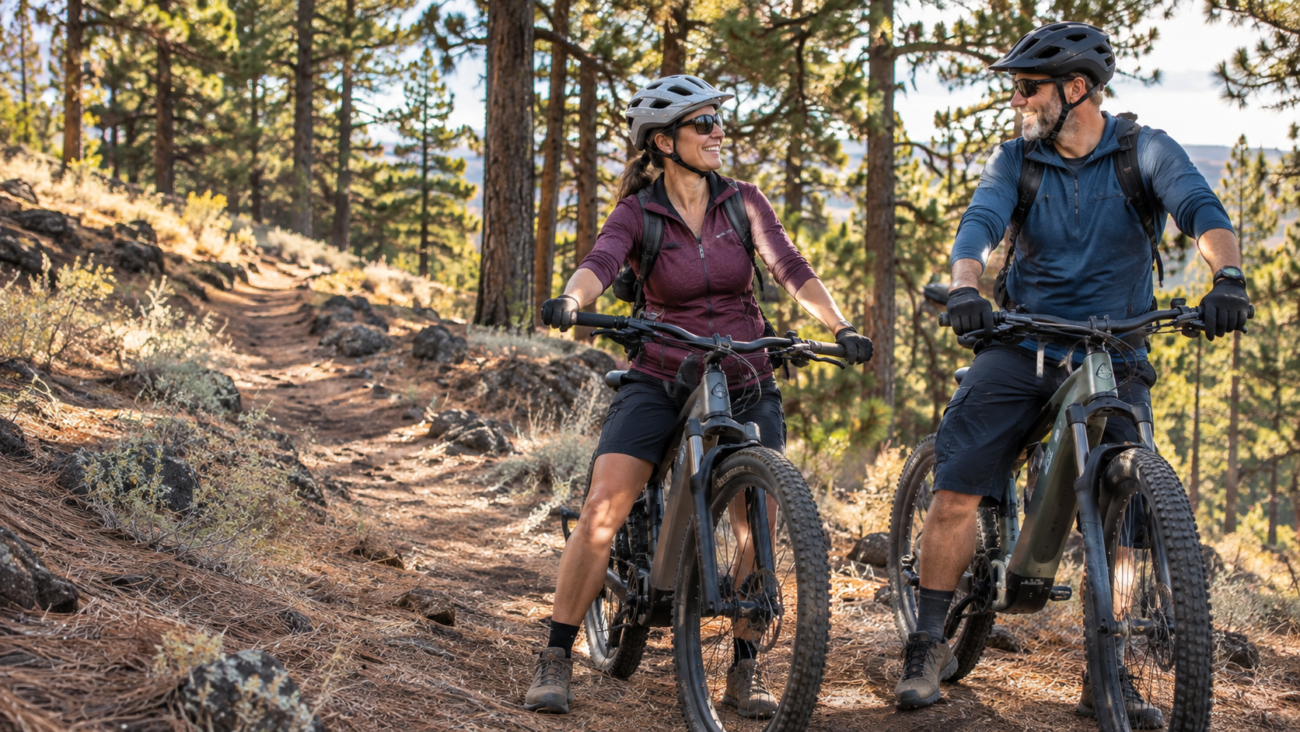
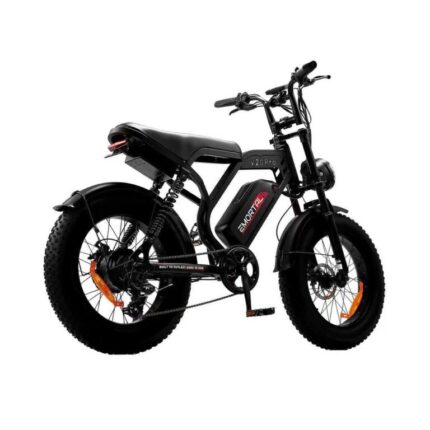
Ready to compare models? Browse our e-bike inventory, where each listing shows the class, motor rating, and assisted speed so you can check Oregon legality before ordering. Contact our team or text (714) 749-3162 to book a free test ride and a walkthrough of each class. Financing is available with $800 down, no credit check, and no interest.
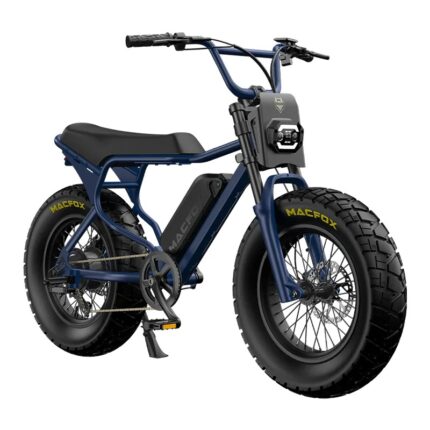
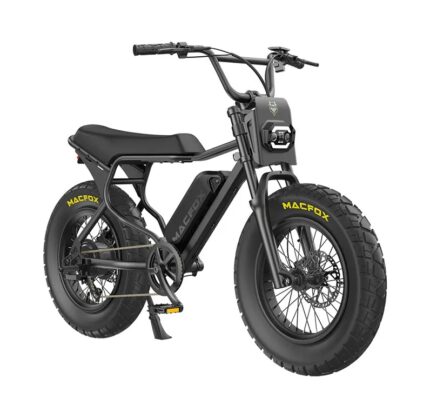
Ebikes In Oregon
E-bikes now fill commuter routes in the Willamette Valley, hilly Portland neighborhoods, and long rural roads east of the Cascades. Steep grades, coastal headwinds, and long gaps between towns all reward motor help, turning a punishing ride into a realistic commute.
The legal picture gets simpler once you separate two questions. State law decides whether your bike counts as a bicycle. The city, park agency, or national forest decides where you can take it.
How Does Oregon Define An Electric Bike?
Oregon’s vehicle code calls these machines “electric assisted bicycles.” Under ORS 801.258, an e-bike is a bicycle with pedals and an electric motor that fits Class 1, Class 2, or Class 3. ORS 814.405 then treats it as a bicycle, not a motor vehicle, for most traffic purposes.
A bike outside the three classes may be treated as a moped or motorcycle instead.
One correction matters, because many guides still repeat it. The old definition capped motors at 1,000 watts. The 2024 session law that created the classes deleted that wording, so the current definition turns on how the motor assists and when assistance cuts off, not on wattage. A motor tuned past its class cutoff still takes the bike outside the definition.
Electric dirt bikes without working pedals, seated scooters, gas-assisted bikes, and e-bikes modified to assist above 20 or 28 mph all fall outside.
Expert tip: Before you buy, get the class number, top assisted speed, and throttle details in writing. A seller who will not state the class is a warning sign.
How Fast Can An E-Bike Legally Go In Oregon?
The motor must stop assisting at 20 mph on Class 1 and Class 2 bikes and at 28 mph on Class 3 bikes. Pedaling faster under your own power is not a class violation, because the cutoff applies to the motor.
Posted path limits still apply, and state park rules require caution around walkers, pets, and horses.
Stopping distance grows with speed and weight, so a heavy e-bike at 28 mph needs far more room than a road bike. Leave extra following distance and replace brake pads early.
What Are Oregon’s Three E-Bike Classes?
The classes separate bikes by how the motor engages and where assistance stops. Use this table to match a bike to your riding.
| Class | How Assist Works | Assist Stops At | Typical Rider |
|---|---|---|---|
| Class 1 | Pedal assist only | 20 mph | Trail riders, Bend singletrack |
| Class 2 | Throttle allowed | 20 mph | Riders needing help from a stop |
| Class 3 | Pedal assist, speedometer required | 28 mph | Long, fast road commutes |
Sticker worn off? The manufacturer can usually confirm the class from the serial number.
Are Class 2 And Class 3 E-Bikes Legal In Oregon?
Yes. Both are legal on Oregon roads and bike lanes and are treated as bicycles.
A throttle alone does not make a bike a motor vehicle. The line is crossed when the motor drives a Class 2 past 20 mph or a Class 3 past 28 mph, or when a throttle is added to a Class 3 bike.
Class 3 bikes must carry a speedometer and face more trail limits. The Deschutes National Forest allows only Class 1 on its approved singletrack.
Buyer beware: Derestriction kits and tuning apps that raise the speed limiter can push a bike out of its class, costing you bicycle status, trail access, and possibly insurance coverage after a crash.
What Has Recently Changed In Oregon E-Bike Laws?
Three decisions reshaped Oregon’s rules in two years, and a fourth is still phasing in.
| Change | What It Did | Status |
|---|---|---|
| HB 4103 (2024) | Created Classes 1, 2, and 3; deleted the 1,000-watt cap; set age 16 for all | In force since January 1, 2025 |
| State parks rule (2025) | Opened bike-legal park trails and wet-sand beaches | Announced July 2025, in force now |
| Deschutes National Forest decision | Opened about 161 trail miles to Class 1 only | Signed December 9, 2025; trails opened April 1, 2026 |
| HB 4007 (2026) | Class 1 age drops to 14; safety-program exception; new offence for selling an impostor vehicle as an e-bike | Chapter 101; age and retail provisions phasing in |
HB 4007 also writes a definition of “powered micromobility device” into the vehicle code and standardises the under-16 helmet rule across bicycles, e-bikes, scooters, and similar vehicles. Selling or leasing a vehicle that looks like an e-bike but does not meet the legal definition becomes an offence carrying a fine of up to $250.
On timing, be careful with what you read elsewhere. The legislature’s own record says the act takes effect on the 91st day following adjournment, and coverage points to the age and retail provisions applying from January 1, 2027. Treat the 2027 date as the working assumption and confirm before relying on it for a young rider.
Do You Need A Helmet When Riding An E-Bike In Oregon?
Only if you are under 16. ORS 814.485 requires riders and passengers under 16 to wear an approved helmet on any bicycle, including an e-bike. Oregon has no adult mandate, and ORS 814.487 allows a narrow religious exemption.
Under ORS 814.486, a parent or guardian who lets a child under 16 ride without a helmet commits an offence, and Oregon police departments note that parents may be cited.
Adults should still wear one. Look for a CPSC certification label inside the shell. The helmet should sit level, one to two finger widths above your eyebrows, with the chin strap snug. Replace it after any crash, even without visible damage. Our helmet collection lists the certification on every product page.
What Are The Rider Age Requirements For E-Bikes In Oregon?
Today, you must be 16 to ride any class. HB 4007 lowers the Class 1 minimum to 14, and sets no minimum age at all for Class 1 or Class 2 for someone taking part in an approved bicycle safety program. Class 2 and Class 3 are not reported to change for everyone else.
A 14-year-old cleared for Class 1 still will not be able to ride a throttle bike solo. Child passengers may ride in proper child seats or cargo boxes, and every passenger under 16 needs a helmet.
Before a teen rides alone, practise braking, signalling, and scanning together on quiet greenways.
Do You Need A License Or Permit For An Electric Bike In Oregon?
No. ORS 807.020 lets anyone 16 or older ride a Class 1, 2, or 3 e-bike without a driver license, permit, or endorsement. Oregon does not license cyclists, so it does not license riders of qualifying e-bikes.
Mopeds are different and need a license, registration, and insurance. If modification pushes your bike beyond its class, the exemption may no longer protect you.
Do You Need Registration Or Insurance For An E-Bike In Oregon?
No. Legal e-bikes need no plates, title, or DMV registration, and Oregon requires no e-bike insurance.
Some homeowner and renter policies exclude motorized bikes, so ask your agent; standalone e-bike policies can cover theft, damage, and liability.
Record your serial number and register it with a free theft registry such as Bike Index to improve recovery odds.
Where Can You Ride An E-Bike In Oregon?
You can ride on roads, bike lanes, and shoulders statewide. Paths and trails depend on the land manager.
| Where | Classes Allowed | Key Condition |
|---|---|---|
| Roads and bike lanes | 1, 2, 3 | Bicycle traffic rules apply |
| Sidewalks | None | Banned statewide |
| State park roads and trails | 1, 2, 3 | Where bikes are allowed, unless posted |
| Ocean shore | 1, 2, 3 | Wet sand only, outside closures |
| Deschutes National Forest approved trails | 1 only, unmodified | Closed December 1 to March 31 |
| Other national forest land | 1, 2, 3 | Routes open to motor vehicles only |
The Forest Service manages e-bikes as motor vehicles, limiting them on most national forest land to routes marked open to motor vehicles on a motor vehicle use map. City park districts can also set stricter path rules, so read signs at every trailhead. Crossing a state line changes everything again, so our guide to e-bike laws and your rights is worth a look before a road trip.
Can You Ride An Electric Bike On The Sidewalk In Oregon?
No. ORS 814.410 makes riding an e-bike on any Oregon sidewalk an offence, whatever its class. Regular bicycles may use many sidewalks, which is why this rule surprises people.
Walk the bike downtown, and use greenways and protected lanes instead.
Can You Ride An E-Bike In Oregon State Parks And On The Coast?
Yes, in most places. Under the new state park rules, all three classes may use park trails open to other bicycles, unless a sign or the parks website says otherwise. That replaced an older rule limiting e-bikes to trails at least eight feet wide. A machine outside the three classes counts as a motor vehicle and stays off trails entirely.
Four parks carry named restrictions: Elijah Bristow bans e-bikes on all trails; Willamette Mission closes its equestrian trails and the Vision Trail; Clyde Holliday closes the Riverside Trail; and Emigrant Springs closes the Lewis and Clark Trail.
On the coast, ride only on wet sand. Dry sand, dunes, and everything above the natural high-tide line are closed, and wet sand in snowy plover habitat closes during nesting season, March 15 to September 15.
Can You Ride An E-Bike On Bend Trails Like The Deschutes River Trail?
It depends on the segment and who manages it. Forest Service trails follow the Deschutes National Forest decision signed on December 9, 2025. In-town paths are managed by local agencies, so follow posted signs there.
That decision opened about 161 miles across 67 soft-surface and paved trails near Bend, Sisters, and Sunriver to Class 1 bikes from April 1, 2026. Class 2, Class 3, and modified Class 1 bikes stay banned, and approved trails close December 1 through March 31 under the winter range closure protecting deer and elk habitat.
Higher-elevation trails generally remain closed, so check the Deschutes e-bike trail map for your exact segment.
Use case: the Bend weekend rider. A rider with a Class 3 commuter wants to ride Phil’s Trail. That bike is legal on Bend’s streets but not on forest singletrack. The fix is renting or buying a Class 1 trail bike, sticking to mapped routes from April through November, and using paved paths in winter. The limitation: two bikes cost more, but both stay legal.
Where Can You Buy An Electric Bike In Oregon?
You can buy from local dealers, bike co-ops, or direct-to-consumer brands. Portland, Eugene, Salem, and Bend offer the widest local choice, and a dealer adds fitting and nearby service. Extra money mostly buys better batteries, motors, brakes, and support.
| Bike Type | Best For | What Extra Money Buys |
|---|---|---|
| Entry commuter | Short, flat rides | Rack, fenders, hub motor |
| Mid-range commuter | Hills, daily use | Mid-drive motor, hydraulic brakes |
| Cargo bike | Kids, groceries | Long frame, dual-battery option |
| Full-suspension e-MTB | Bend singletrack | Class 1 setup, suspension, torque |
Check battery safety before price. Look for certification to a recognised standard such as UL 2849 or UL 2271, and use the bike’s own charger.
Buying used? Ask about battery age and charge cycles, test the full range, confirm the class has not been modified, and check whether the warranty transfers.
Use case: the Portland commuter. A rider with a nine-mile commute and a steep climb wants fewer car trips. A mid-range commuter with a mid-drive motor and hydraulic brakes fits. Class 3 saves time on roads with bike lanes; Class 1 avoids limits on park paths. The limitation: winter rain makes fenders, lights, and secure storage essential.
Quick quiz: which e-bike class fits your plans? A general guide, not legal advice.
Question 1: How old is the main rider?
- 13 or younger: solo riding is not allowed, apart from approved safety programs once HB 4007’s provisions apply. Consider a child seat on an adult’s bike.
- 14 or 15: no solo riding yet; once the Class 1 age change applies, Class 1 only. See Result A.
- 16 or older: go to Question 2.
Question 2: Will you ride Forest Service singletrack near Bend or Sisters?
- Yes: see Result A.
- No: go to Question 3.
Question 3: Do you need a throttle for starts, heavy loads, or joint pain?
- Yes: see Result B.
- No, I want speed on long road commutes: see Result C.
- No, I ride mixed paths and parks: see Result A.
- Result A: an unmodified Class 1 bike, for the widest trail access.
- Result B: a Class 2 bike; confirm trail rules before leaving pavement.
- Result C: a Class 3 bike, with more path and trail limits.
Frequently Asked Questions About Ebikes In Oregon
Are E-Bikes Legal To Ride On Public Roads In Oregon?
Yes. Class 1, 2, and 3 e-bikes are legal on Oregon public roads and bike lanes. They need no license or registration, and riders must currently be 16. Once HB 4007’s age provision applies, riders as young as 14 may use Class 1 bikes.
Where Can You Legally Ride An E-Bike In Oregon?
You can ride on roads, bike lanes, shoulders, state park roads and trails open to bikes, and wet-sand beaches outside closures. Sidewalks are banned statewide. Near Bend, only unmodified Class 1 bikes may use approved Forest Service trails, from April 1 through November 30.


