
Blog
Ebikes In Iowa: A Complete Rider Guide To Staying Legal And Confident
Buying an e-bike should feel exciting, not like cramming for a law exam. Most Iowa riders want three quick answers: do I need a license, a plate, or a helmet? For a qualifying e-bike, the answer to all three is no. Iowa treats Class 1, 2, and 3 e-bikes with motors of 750 watts or less much like regular bicycles. The real traps sit elsewhere: Class 3 age limits, missing labels, overpowered “e-bikes” that are legally mopeds, and city rules that changed in 2026.
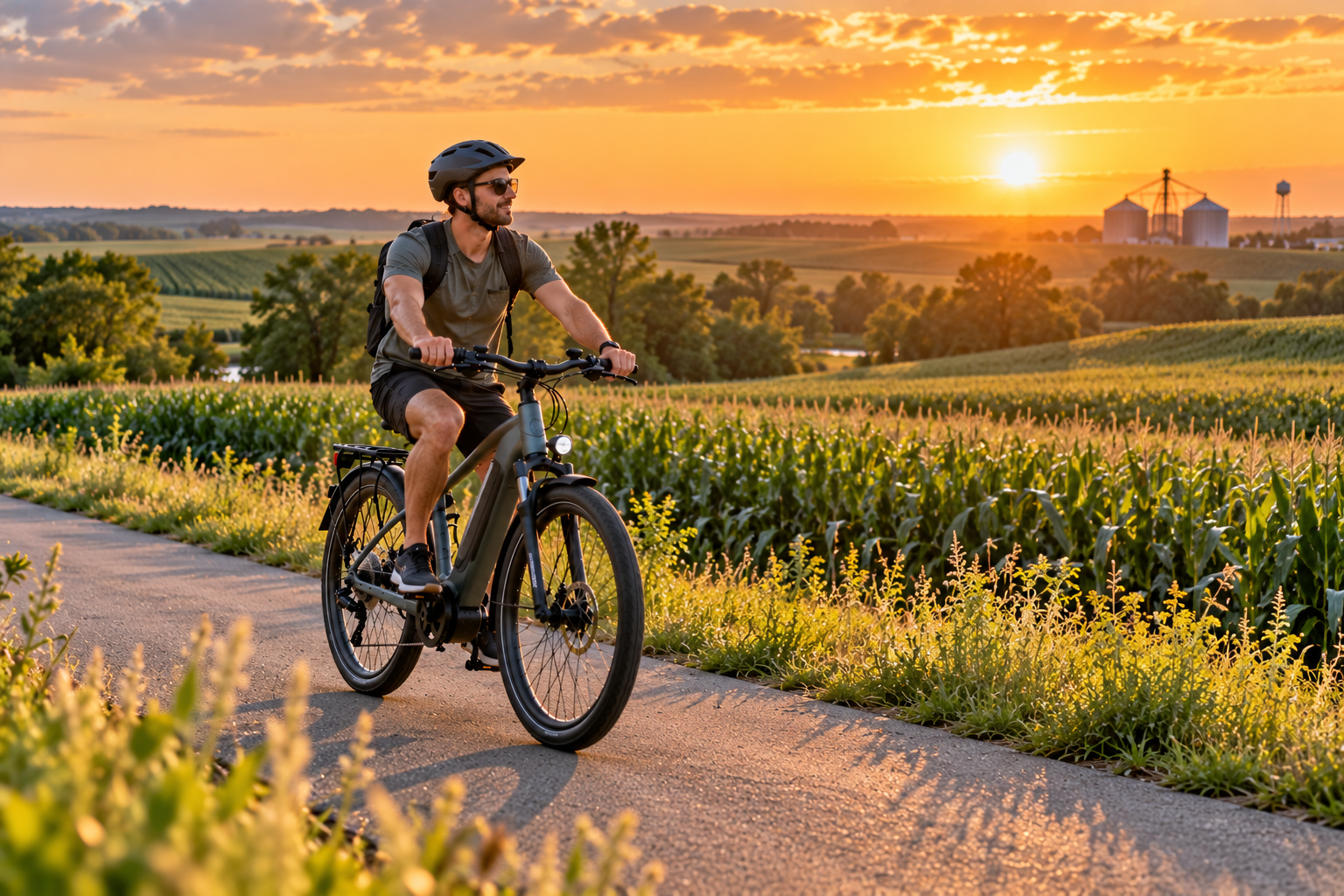
Key Takeaways
- Iowa recognizes Class 1, 2, and 3 e-bikes, and since July 1, 2026, a motor rated at exactly 750 watts qualifies.
- No license, registration, title, or insurance is required for any class that meets the definition.
- Nobody under 16 may operate a Class 3, and every Class 3 needs a speedometer.
- Anything over 750 watts or without working pedals is a moped or motorcycle, with licensing and registration to match.
- Ankeny, Waukee, Ames, Cedar Rapids, and Marion add stricter local rules.
Table of Contents
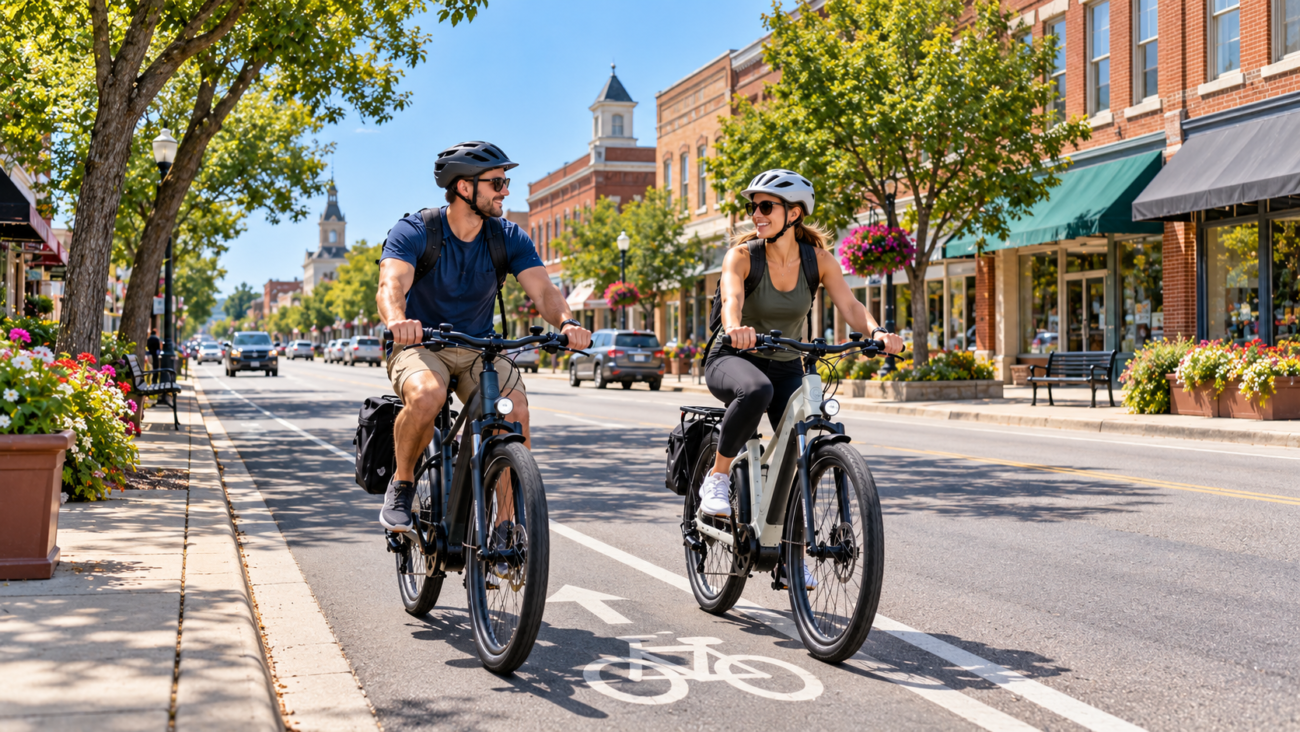
Comparing ebikes for sale in Iowa? The whole question comes down to three things on the frame: working pedals, a motor rated at 750 watts or less, and a readable Class 1, 2, or 3 label with a stated top assisted speed. Our team can confirm the class, label, and rated wattage of any model in our Iowa-compliant lineup before you order, so the bike that arrives is the one the Iowa Code recognizes.
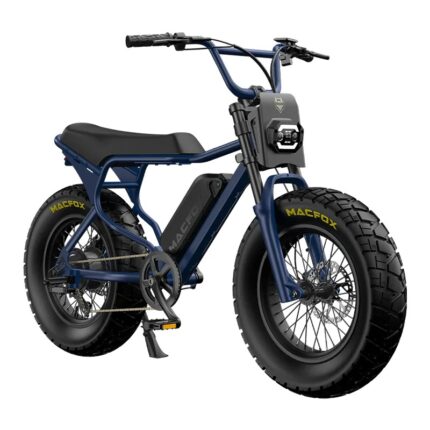
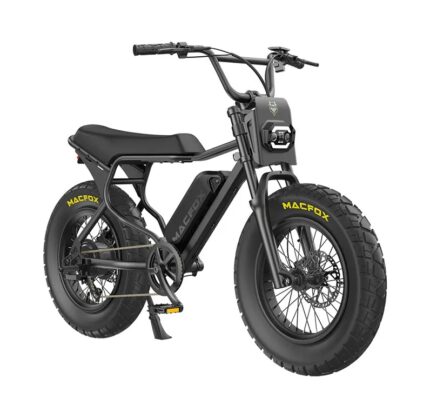
Ebikes In Iowa
Iowa Code section 321.235B, with the definitions in section 321.1, governs what the state calls low-speed electric bicycles. A qualifying e-bike is legally a bicycle: on the road you carry a cyclist’s rights and duties, and vehicle paperwork rules do not apply.
State law is the floor, not the ceiling. Cities, county conservation boards, the Department of Natural Resources, and campuses can add rules for ground they manage, so a ride that is legal on a Des Moines street can earn a citation on an Uptown Ankeny sidewalk.
How Does Iowa Define An Electric Bike?
Iowa defines a low-speed electric bicycle as a bicycle with two or three wheels, a saddle, fully operable pedals, and an electric motor producing no more than 750 watts that fits Class 1, 2, or 3. Senate File 490, signed April 30, 2026, and effective July 1, 2026, changed “less than” to “not more than” 750 watts. A motor rated at exactly 750 watts now qualifies. Age, equipment, and access rules did not change.
Anything outside the definition is not a bicycle. This table shows where common machines land.
| Machine | Pedals | Motor and speed | Iowa paperwork |
|---|---|---|---|
| Low-speed e-bike | Fully operable | 750 W or less; assist ends at 20 or 28 mph | None |
| Motorized bicycle (moped) | Not required | Over 750 W or no pedals; 39 mph or less | License or permit, registration, title, insurance |
| Motorcycle | Not required | Capable of more than 39 mph | Motorcycle license, registration, title, insurance |
Several metro cities also bar e-motos from trails and sidewalks, so a mislabeled electric dirt bike may have almost nowhere legal to ride.
Which Electric Bikes Are Street Legal In Iowa?
Check these points before you pay:
- Motor wattage of 750 or less on the label. Listings often quote a higher “peak” figure, and the statute does not say how wattage is measured, so ask what the label states.
- A stated class and a top assisted speed of 20 mph (Class 1 and 2) or 28 mph (Class 3).
- Pedals that actually propel the bike.
- A speedometer in mph on any Class 3.
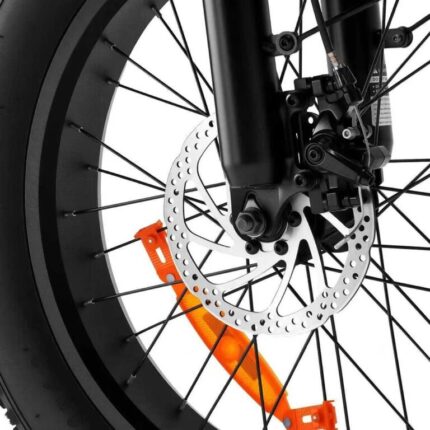
- Construction to the federal bicycle standard, 16 C.F.R. part 1512, which Iowa requires.
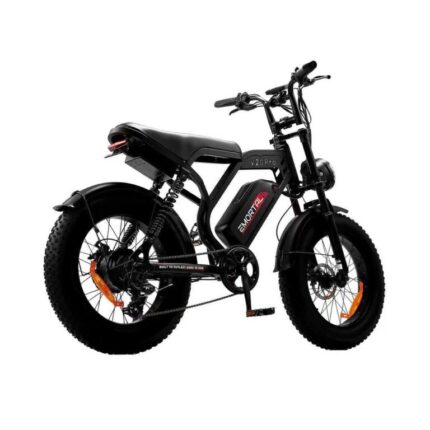
Buyer beware: machines with footpegs, motocross styling, and 2,000-watt motors are often listed as “electric bikes.” If it looks like a dirt bike, Iowa will likely treat it as a moped or motorcycle.
If a seller misrepresented a bike’s class, keep the listing screenshots and receipt, write to the retailer, and if needed dispute the charge or file a complaint with the Iowa Attorney General’s Consumer Protection Division.
Does Iowa Use The Three Class Ebike System?
Yes. Iowa adopted the three-class system in 2021, and the class numbers appear in statute. Use this table to match a class to how you ride.
| Class | How assist works | Assist cutoff | Typical fit |
|---|---|---|---|
| Class 1 | Pedal assist only | 20 mph | First-time and trail riders |
| Class 2 | Pedal assist plus throttle | 20 mph | Cargo, fat-tire, and casual riders |
| Class 3 | Pedal assist only; speedometer required | 28 mph | Riders 16+ on longer road commutes |
On bike lanes and multi-use paths, Class 3 riders must hold to the posted limit, or 20 mph where none is posted.
Quick quiz: which class fits you?
Question 1: Will anyone under 16 operate this bike?
- Yes: go to Question 2.
- No: go to Question 3.
Question 2: Does the young rider struggle with starts or hills?
- Yes: consider Class 2, and practice throttle control in an empty lot first.
- No: start with Class 1. Class 3 is off the table under 16.
Question 3: Is most of your riding a long road commute?
- Yes: go to Question 4.
- No: Class 1 or Class 2 covers most errands and trail rides.
Question 4: Does that commute run mostly on trails or sidewalks?
- Yes: path speed caps erase most of the Class 3 advantage, so Class 1 may serve you just as well.
- No: Class 3 fits, provided you respect path limits.
This quiz is a starting point, not legal advice.
What Are The Wattage And Assist Speed Caps For Electric Bikes In Iowa?
The motor cap is 750 watts. Class 1 and 2 motors must stop assisting at 20 mph, and Class 3 motors at 28 mph. You may pedal faster on your own, but posted limits still apply, and the assist must also cut out when you brake.
Iowa bars knowingly modifying a bike so it no longer fits a class, so derestriction dongles and app unlocks can turn a legal bike into an unclassified machine. Imports advertised at 35 or 40 mph deserve skepticism.
Do You Need A License Or Registration To Ride An Electric Bike In Iowa?
No. Under Iowa Code 321.235B, low-speed electric bicycles are exempt from licensure, registration, titling, inspection, proof of financial liability coverage, and driver’s license or permit requirements. That covers all three classes.
The exemption ends if the bike leaves the definition; then moped or motorcycle rules apply.
Expert tip: keep your receipt, serial number, and a photo of the class label on your phone. They speed up theft reports and insurance claims.
What Is The Minimum Age To Ride An Electric Bike In Iowa?
Iowa sets no minimum age for Class 1 or Class 2. A person under 16 may not operate a Class 3, though they may ride as a passenger on one built to carry passengers.
Mopeds differ: the Iowa DOT requires moped license applicants to be at least 14, and 14- and 15-year-olds must first complete an approved course.
For young riders, pick a frame where their feet reach the ground, skip the fast bike they will “grow into,” and ride a few routes together first.
Do You Need Insurance For An Electric Bike In Iowa?
No. Iowa exempts qualifying e-bikes from proof of financial liability coverage, so protection is your choice.
Homeowner and renter policies vary, and some exclude motorized property or cap theft payouts. Ask your agent:
- Does my policy treat an e-bike as a bicycle or a motorized vehicle?
- What is the theft limit, and does it apply away from home?
- Am I covered if I injure someone or damage a car?
If gaps remain, consider a standalone bicycle policy.
What Safety Equipment And Labeling Does Iowa Require On An Electric Bike?
This table shows what Iowa requires and when.
| Item | Requirement | When it applies |
|---|---|---|
| Front lamp | White light, steady or flashing, visible 300 feet ahead | Sunset to sunrise |
| Rear lamp or reflector | Red light visible 300 feet behind, or a red reflector | Sunset to sunrise |
| Brakes | Able to skid the braked wheel on dry, level, clean pavement | Always |
| Speedometer | Displays speed in mph | Class 3 only |
| Class label | Class, top assisted speed, and wattage in Arial, at least 9-point | Bikes made or distributed from January 1, 2022 |
Iowa has no statewide bell rule, but Marion’s 2026 ordinance requires an audible signal before passing on sidewalks and trails, and a bell prevents startled-walker conflicts everywhere.
If a used bike has no label, check its age, since the rule covers bikes from 2022 onward. For newer bikes, contact the manufacturer with the serial number; without proof of class, think twice.
Riding after dark? Our lighting, locking, and reflector bundle covers Iowa’s night-riding rules in one purchase.
Do You Need A Helmet To Ride An Electric Bike In Iowa?
No. Iowa has no helmet law for any e-bike class or rider age. Parks, rentals, or events may still require one.
The NHTSA helmet fitting guide reduces fit to a two-finger rule:
- Confirm a CPSC certification label inside the shell.
- Set the front rim about two finger widths above your eyebrows, level on your head.
- Adjust the side straps to form a V around each ear.
- Leave room for about two fingers between the buckled strap and your chin.
Replace any helmet after a crash, and buy one that fits now.
Where Can You Ride An Electric Bike In Iowa?
A qualifying e-bike may go anywhere a bicycle is allowed: streets, highways, shoulders, bike lanes, bikeways, and multi-use paths.
Bicycles are barred from interstates, controlled-access highways, and highways with posted minimum speeds. Sidewalk riding has no statewide rule, so each city decides.
In state parks, managed by the Iowa DNR, bikes are generally limited to park roads and signed trails, and posted signs control. Call the park office before hauling a Class 3 or fat-tire bike to a natural-surface trail.
Can You Ride An Electric Bike On Iowa Trails And Bike Paths?
Usually, yes. State law opens multi-use paths to all three classes, but trail managers and cities can set speed limits, hours, and conditions.
The High Trestle Trail runs about 25 miles from Ankeny to Woodward across several counties, so expect rules from more than one board. The Raccoon River Valley Trail has been reported to admit only Class 1 and Class 2; confirm with its county conservation boards before bringing a Class 3.
Keep right, yield to pedestrians, announce passes, and check the trailhead kiosk for flood closures.
Use case: the mixed-route commuter. A hypothetical Ankeny rider commutes on a Class 3 using streets and a city trail. State law allows the bike there, but Ankeny’s 20 mph default applies. The plan: use Class 3 speed on the road, hold 20 mph on the trail, and accept that the 28 mph advantage exists only on the road.
What Are The Road Rules For Electric Bikes In Iowa?
On the road, you carry the same duties as other operators. The Iowa DOT bicycling rules cover the essentials:
- Ride with traffic in the right lane, except when passing, turning left, or avoiding hazards.
- Obey signs, signals, and lane markings.
- Pass on the left.
- Signal turns, lane changes, and stops with your left hand.
State law is silent on riding two abreast, but Ames limits riders to two side by side on city streets. Drivers must pass at a safe distance and may not steer unreasonably close to a cyclist.
Can You Get An OWI For Drunk Riding An Electric Bike In Iowa?
Probably not under the OWI statute, but that is not a green light. Iowa’s OWI law, section 321J.2, applies to operating a motor vehicle. A 2009 Iowa Attorney General opinion concluded that a bicycle with a small electric motor meeting the bicycle definition is not a motor vehicle, and section 321.235B exempts qualifying e-bikes from vehicle provisions. An attorney general opinion is guidance, not a court ruling.
Public intoxication charges and civil liability can still apply, and a modified bike outside the definition could be treated as a motor vehicle. For a specific case, talk to an Iowa attorney, or simply take a ride-hail home.
Which Iowa Cities Set Their Own Electric Bike Rules?
Several metro cities rewrote ordinances in 2026, largely because of e-motos on trails. This table covers the rules riders ask about most.
| City | Key rule | Where to check |
|---|---|---|
| Ankeny | 20 mph default on trails, lanes, paths, sidewalks; walk bikes in Uptown and The District; e-motos barred from sidewalks, trails, parks | City Code Chapter 76 |
| Waukee | 20 mph default on sidewalks and trails; devices over 750 W treated as mopeds and kept off both | City Ride Safe page |
| Ames | 10 mph limit for bikes and e-bikes in city parks | Parks and Recreation policies |
| Cedar Rapids | No sidewalk riding downtown and in nearby districts | Municipal Code section 53.14 |
| Marion | 10 mph on sidewalks, 20 mph on trails; audible signal before passing | Marion city code |
Ankeny violations are simple misdemeanors. Waukee, which approved its ordinance July 20, 2026, sets a $25 fine plus costs; local news reported its text still describes e-bikes as under 750 watts, so exactly-750-watt owners should ask how the city applies it. Cedar Rapids can fine downtown sidewalk riders up to $625.
Use case: the 13-year-old’s first e-bike. A hypothetical Waukee family finds a 2,000-watt “e-bike” with footpegs for their 13-year-old. Waukee treats it as a moped, and the child cannot hold a moped license until 14, so it is legal almost nowhere. A labeled Class 1 or 2 gives the same freedom without the citation risk.
Before riding a new city, search its municipal code’s bicycle chapter, often Chapter 76, for “electric.” Rules are changing quickly.
Frequently Asked Questions About Ebikes In Iowa
Are Ebikes In Iowa Legal To Ride On Public Roads?
Yes. All three classes may ride Iowa streets, shoulders, and bike lanes with the same rights and duties as bicycles, except on interstates and other roads closed to bicycles. The motor must be 750 watts or less, a limit the governor’s signing announcement lists under SF 490. Riders must follow traffic laws and local ordinances.
Do You Need A License To Ride An Electric Bike In Iowa?
No. Iowa exempts every e-bike class from driver’s license and permit requirements, and you need no registration, title, plate, or insurance. Unsure where a model falls? Ask our team to check its label and specs before you buy.


