
Blog
Ebikes In Illinois And What Every Rider Must Know Before Heading Out
Buy the wrong e-bike in Illinois, or hand the right one to the wrong rider, and a weekend ride can end with a citation or a denied insurance claim. The rules are also shifting, because a new state law takes effect January 1, 2027. Here is the short answer: a bike with working pedals, a motor under 750 watts, and a Class 1, 2, or 3 rating is treated like a bicycle, with no license, plate, or insurance required. Faster or stronger machines become motor driven cycles.
Key Takeaways
- Class 1 and 2 e-bikes stop assisting at 20 mph, and Class 3 stops at 28 mph.
- Compliant e-bikes need no driver’s license, title, registration, or insurance, before or after 2027.
- From January 1, 2027, Class 1 and 2 riders must be at least 15. Class 3 stays at 16.
- In 2027, electric bikes outside the low-speed definition become motor driven cycles and lose bike lane and path access.
- Sidewalk riding is banned statewide for every class.
- Path owners set their own rules, so check signs at every trailhead.
Table of Contents
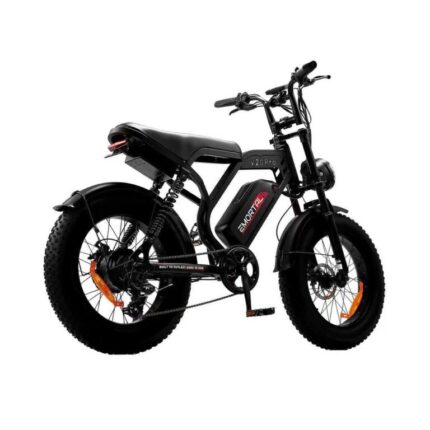
Illinois is about to split its e-bike market in two. From January 1, 2027, a machine that misses the low-speed definition stops being a bicycle and becomes a motor driven cycle, with a title, a plate, insurance, and no access to bike lanes or paths. The bikes that stay on the right side of that line are simple to spot: working pedals, a motor rated under 750 watts, and a permanent Class 1, 2, or 3 label. Every bike we stock is listed with its class and rated wattage, so it will still be a bicycle in January.
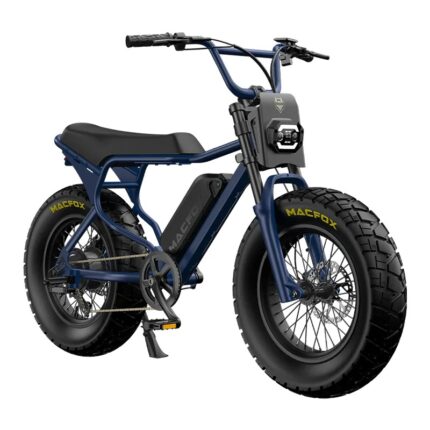
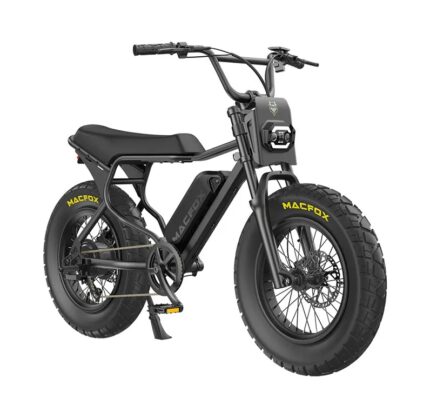
Ebikes In Illinois
Illinois law calls a qualifying e-bike a “low-speed electric bicycle.” It is not a moped or a motor driven cycle, and it follows bicycle rules instead of motor vehicle rules. That label decides whether you need paperwork, where you can ride, and who may operate the bike.
To earn it, a bike needs fully operable pedals, a motor rated under 750 watts, and a fit with one of three classes. Miss any one and it is no longer a bicycle under state law.
If you are comparing ebikes for sale in Illinois, look past frame color and battery size. Listings advertising 1,000-watt motors or 30-plus mph top speeds describe bikes that do not qualify.
What Is The New Ebike Law In Illinois?
The new law is Senate Bill 3484, enacted as Public Act 104-0854. Governor JB Pritzker signed it on August 26, 2026, and it takes effect January 1, 2027. It keeps the three-class system but adds age floors, passenger limits for young riders, and a firm category for high-powered machines.
This table compares current rules with the rules that start in January.
| Rule | Through December 31, 2026 | From January 1, 2027 |
|---|---|---|
| Class 1 and 2 minimum age | No statewide minimum | 15 |
| Class 3 minimum age | 16 | 16 |
| Electric bikes outside the low-speed definition | No clear statewide category | Motor driven cycle with license, title, registration, and insurance |
| Passengers | Under-16 passengers allowed on Class 3 bikes built for them | Operators under 18 may carry only a sibling, stepsibling, child, or stepchild |
| Local e-bike ordinances | Many towns set their own rules | Largely preempted by state law |
The preemption change gets little attention. The act limits home rule powers, so a village e-bike ordinance may stop applying after January 1. Park and forest preserve districts still control their own paths.
For plain-language answers from the agency behind the law, read the Secretary of State’s official micromobility FAQ. Lawmakers can still amend the act, so check again before January.
Are Ebikes Street Legal In Illinois?
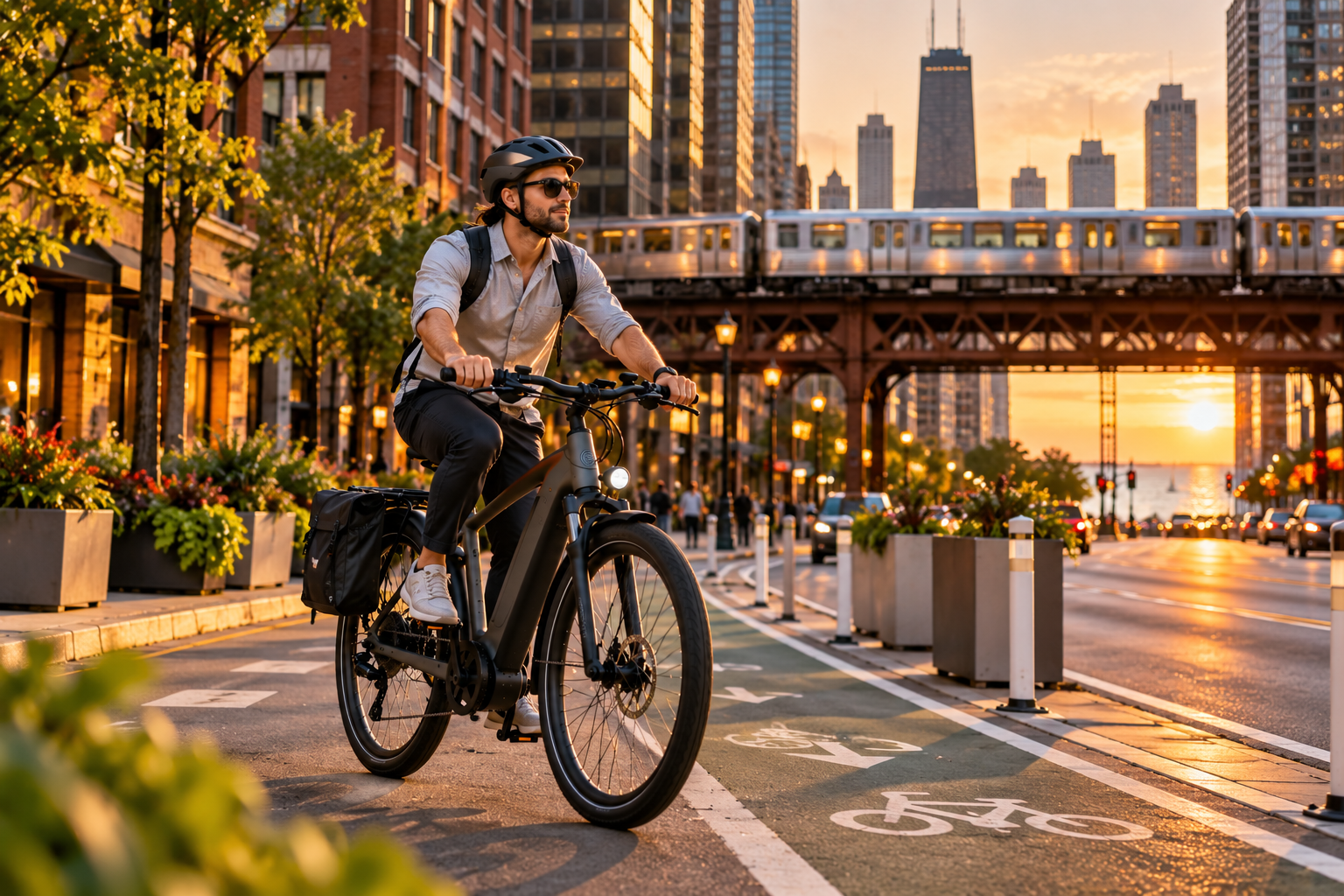
Yes. A compliant e-bike may ride on any street where bicycles are allowed, including bike lanes. State law also requires each e-bike to meet federal bicycle standards under 16 CFR 1512 and to carry a permanent label listing its class, top assisted speed, and motor wattage.
Buyer beware: Illinois prohibits knowingly tampering with an e-bike’s speed capability unless you replace the label to show the new class. A “speed dongle” can turn a legal bike into a motor driven cycle that may be impossible to register without a VIN.
Quick check: is your e-bike street legal?
Question 1: Does the bike have fully working pedals?
- Yes: go to Question 2.
- No: it is not a low-speed electric bicycle. Read the license section below.
Question 2: Does the frame label show a motor under 750 watts?
- Yes: go to Question 3.
- No, or there is no label: from 2027 it is likely a motor driven cycle. Confirm with the manufacturer.
Question 3: At what speed does the motor stop helping?
- 20 mph: go to Question 4.
- 28 mph, pedal assist only: it is Class 3. Riders must be 16 or older.
- Above 28 mph: it falls outside the low-speed definition.
Question 4: Can the motor move the bike without pedaling?
- No: it is Class 1.
- Yes: it is Class 2. Check path rules before riding.
This check is a general guide, not a legal determination.
What Is A Class 3 Ebike In Illinois?
A Class 3 e-bike gives pedal assist only, and the motor stops helping at 28 mph. Illinois requires a speedometer that displays miles per hour, and operators must be at least 16.
Class 3 bikes face the tightest path access. The Forest Preserves of Cook County and several suburban systems limit trails to Class 1 and 2. This class suits commuters who ride mostly on streets.
How Does Illinois Define Class 1 And Class 2 Electric Bicycles?
Class 1 bikes assist only while you pedal. Class 2 bikes can move on motor power alone, usually through a throttle. Both stop providing power at 20 mph.
The table below shows how all three classes differ in daily use.
| Feature | Class 1 | Class 2 | Class 3 |
|---|---|---|---|
| Assist type | Pedal only | Throttle or pedal | Pedal only |
| Assist cutoff | 20 mph | 20 mph | 28 mph |
| Motor disengages when | You stop pedaling | You brake | You stop pedaling |
| Speedometer required | No | No | Yes |
| Minimum age | 15 from 2027 | 15 from 2027 | 16 |
| Forest preserve trails | Usually allowed | Usually allowed | Often prohibited |
Check the frame label before you buy, especially on a used bike. A missing or painted-over label is a reason to walk away.
Do You Need A License To Ride An Ebike In Illinois?
No. A compliant Class 1, 2, or 3 e-bike requires no driver’s license or permit.
That changes for anything outside the low-speed definition. From January 1, 2027, those bikes and e-motos count as motor driven cycles. Riders must be at least 16 with a valid driver’s license, and the machine needs a title, registration, and insurance. These vehicles are also barred from sidewalks, bike lanes, and bike paths.
Families should also note that the City of Wheaton warns parents may be held accountable for minors’ riding.
Do You Need To Register Or Insure An Ebike In Illinois?
No. Illinois has no title, plate, registration, or insurance requirement for compliant e-bikes, and the 2027 law keeps those exemptions.
Coverage is still smart. Many homeowner policies limit or exclude motorized bikes, so ask your insurer in writing. If you injure a pedestrian, a standalone e-bike policy can cover liability.
How Fast Can An Ebike Legally Go In Illinois?
The motor must stop assisting at 20 mph for Class 1 and 2, and at 28 mph for Class 3. You may pedal faster on leg power, but the motor cannot help past those points.
Posted limits still apply, and trail owners can set lower ones. Cook County forest preserves and the Illinois Prairie Path both cap e-bikes at 15 mph.
Watch the motor rating. The statute says “less than 750 watts,” while the Secretary of State’s parent guide says no more than 750, so a bike rated exactly 750 watts sits on the line. State guidance also does not address advertised “peak” output. For certainty, choose a bike labeled clearly below 750 watts.
What Are The Helmet And Minimum Age Rules For Ebikes In Illinois?
Today, only Class 3 has a statewide age floor of 16, though younger riders may ride as passengers on a Class 3 bike built for them. From January 1, 2027, Class 1 and 2 operators must be at least 15, so no one under 15 may operate any e-bike. Operators under 18 may carry only a sibling, stepsibling, child, or stepchild.
Illinois has no statewide e-bike helmet requirement. Some towns adopted helmet rules for minors, and the new preemption language may affect them, so check with your village. Either way, wear a helmet certified to the CPSC bicycle standard and replace it after any hard impact.
The Secretary of State’s e-bike parents guide explains the age rules and what to check when buying for a teenager.
Use case: a teenager and the family commuter. In this hypothetical, a 14-year-old wants to borrow a parent’s Class 3 commuter. That is illegal today, because Class 3 operators must be 16. A Class 1 bike is legal for the teen now, but not after January 1 until the teen turns 15. The practical step is to time any purchase to that birthday and add a certified helmet. One limit remains: a park district may still bar motorized riding on the teen’s favorite paths.
What Safety Equipment Should Illinois Ebike Riders Carry?
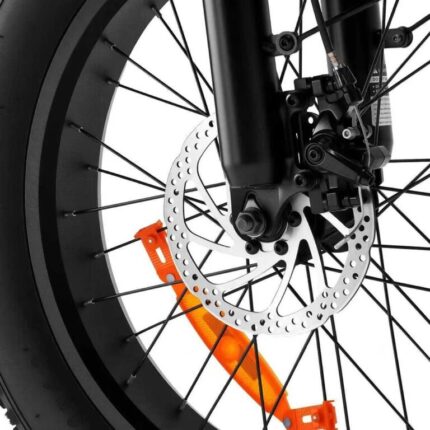
At night, Illinois requires a front lamp with white light visible from at least 500 feet and a rear red reflector visible from 100 to 600 feet. A red rear lamp visible from 500 feet may replace or supplement the reflector. Every bike also needs a working brake. You can read the full bicycle lamp statute online.
This checklist separates legal requirements from smart extras.
| Item | Required by law? | Why it matters |
|---|---|---|
| White front lamp | Yes, at night | Drivers see you coming |
| Red rear reflector or lamp | Yes, at night | Visibility from behind |
| Working brake | Yes | Stops a heavier bike |
| Speedometer | Class 3 only | Shows you are within limits |
| Helmet | No statewide rule | Protects against head injury |
| U-lock | No | Deters theft |
Lock the frame to a fixed rack and take the battery inside.
Where Can You Legally Ride An Ebike In Illinois?
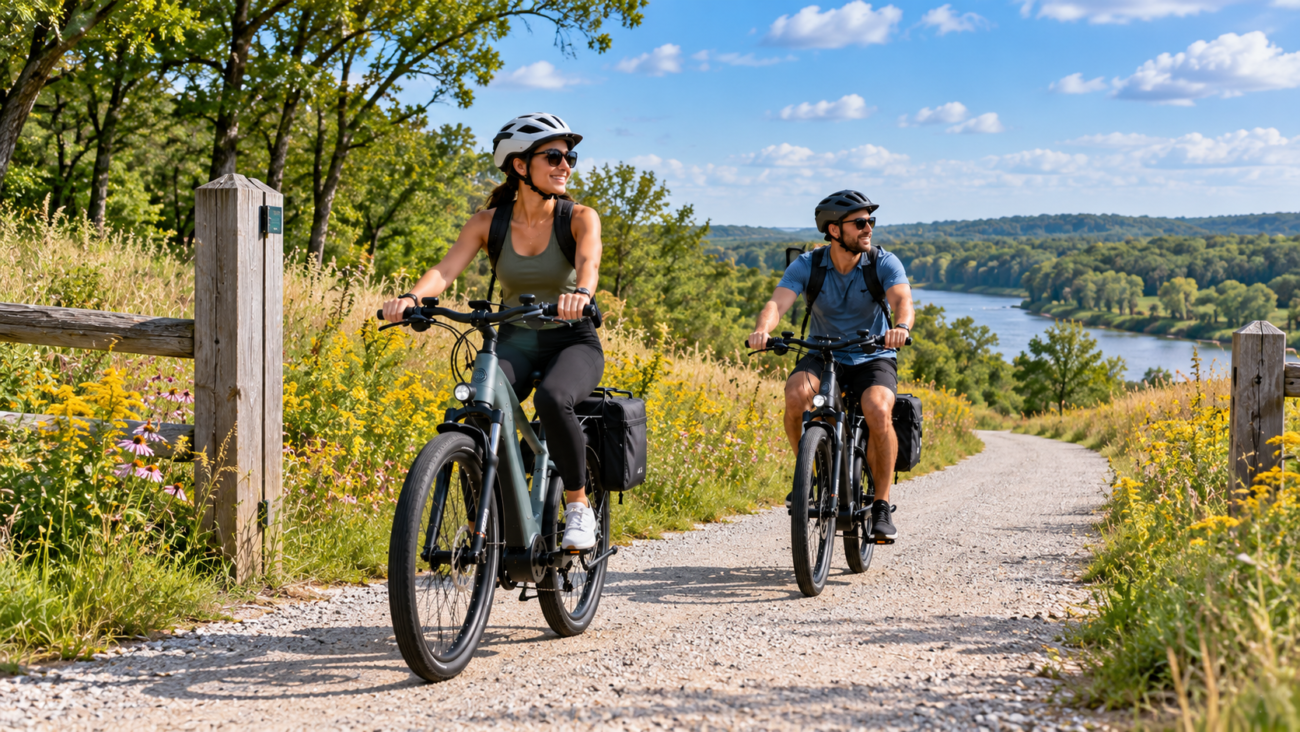
Low-speed e-bikes may ride on streets, in bike lanes, and on bicycle paths unless the agency controlling the path bans them or a specific class.
| Location | Class 1 and 2 | Class 3 | Motor driven cycle (2027) |
|---|---|---|---|
| Streets and roads | Allowed | Allowed | Allowed with license and registration |
| Bike lanes | Allowed | Allowed | Prohibited |
| Shared-use paths | Allowed unless posted | Often prohibited | Prohibited |
| Cook County forest preserve trails | Allowed at 15 mph, no single track | Prohibited | Prohibited |
| Sidewalks | Prohibited | Prohibited | Prohibited |
Local landowners vary widely. The Wheaton Park District rules prohibit motorized e-bike operation on district property, with fines of $500 to $1,000 for repeat offenders. You may still pedal with the motor off or walk the bike.
Use case: a Chicago Class 3 commuter. In this hypothetical, a commuter buys a Class 3 bike for a 12-mile trip from the North Side to the Loop. Streets and protected lanes are fine, but the plan breaks at the lakefront, where Park District guidance has kept Class 3 off the trail. The better choice is Class 1 or 2 if the route depends on the trail, and Class 3 if it runs on streets. Path rules are under review, so access could change.
Can You Ride An Electric Bike On The Sidewalk In Illinois?
No. State law bans every class of low-speed e-bike from sidewalks, and the ban continues in 2027. Chicago also bars bicycle riders 12 and older from sidewalks except where signs allow it. Dismount and walk instead.
Can You Ride An Ebike In Chicago Bike Lanes And On City Streets?
Yes. Compliant e-bikes may use Chicago streets and standard, buffered, and protected bike lanes. From 2027, motor driven cycles lose bike lane access.
The lakefront works differently. Chicago Park District guidance has allowed Class 1 and 2 bikes on the Lakefront Trail while excluding Class 3. The district held public town halls this fall on path use under the new law, so expect updates. In traffic, ride a full door’s width from parked cars and cross rail tracks at a right angle.
Which Traffic Laws Apply To Ebike Riders In Illinois?
E-bike riders carry the same rights and duties as other bicyclists. Stop at red lights and stop signs, signal turns, ride with traffic, and yield to pedestrians.
Drivers must leave at least 3 feet when passing a bicyclist and keep that gap until safely past. Offer the same courtesy on paths by ringing a bell before passing.
Impaired riding is a legal gray area. In People v. Schaefer (1995), an Illinois appellate court held that a key DUI provision did not apply to a pedal bicyclist, but attorneys disagree on how that applies to e-bikes. Do not ride impaired.
Who Is Liable After An Ebike Accident In Illinois?
Liability follows fault. Illinois uses modified comparative fault, so your damages shrink by your share of the blame, and you recover nothing if you are found more than 50% responsible. Most personal injury lawsuits must be filed within two years.
A driver may be liable for failing to yield, passing too closely, or dooring you. A town may answer for hazards like broken pavement, though claims against local governments can carry separate deadlines. A manufacturer may share liability for a battery, brake, or frame defect. An illegally modified bike can strengthen fault arguments against you.
Take these steps at the scene:
- Call 911 if anyone is hurt, and get the report number.
- Photograph the scene, vehicles, your bike, and its class label.
- Collect witness names and phone numbers.
- Get a medical exam, even if you feel fine.
After a serious crash, talk with an Illinois personal injury attorney promptly.
Shopping for a bike that stays legal after January 1? Browse Ebike Plugs’ Class 1, 2, and 3 models, ask us to confirm the class label and motor rating before you buy, and ask about in-house financing with no credit check.
Frequently Asked Questions About Ebikes In Illinois
Are Ebikes In Illinois Legal To Ride On Public Roads?
Yes. Class 1, 2, and 3 e-bikes with working pedals and motors under 750 watts may ride on Illinois roads and in bike lanes. They follow bicycle traffic laws, and sidewalk riding is banned statewide.
Do You Need A License To Ride An Ebike In Illinois?
No. Compliant low-speed e-bikes need no driver’s license, registration, or insurance in Illinois. Starting January 1, 2027, electric bikes outside that definition will need a license, title, registration, and insurance.


